
Det har en direkte stimulerende effekt på centralnervesystemet: det regulerer og forbedrer exciteringsprocesserne i hjernebarken, respirations- og vasomotorisk center, aktiverer positive konditionerede reflekser og motorisk aktivitet. Stimulerer mental aktivitet, øger mental og fysisk præstation, forkorter reaktionstiden. Efter modtagelse vises livlighed, træthed og døsighed fjernes eller reduceres midlertidigt. Forårsager hurtig og uddybet vejrtrækning, især på baggrund af depression i respirationscentret. Påvirker det kardiovaskulære system: øger styrke og hjerterytme (især i store doser), øger blodtrykket med hypotension (ændrer ikke normalt). Udvider bronchier, galdekanaler, blodkar i knoglemuskler, hjerte, nyrer, indsnævrer maveorganerne (især når de udvides). Reducerer blodpladeaggregeringen. Det har en moderat vanddrivende virkning, hovedsageligt på grund af et fald i elektrolytreabsorption i nyretubulier. Stimulerer udskillelsen af maves kirtler. Øger den grundlæggende stofskifte, forbedrer glycogenolyse, forårsager hyperglykæmi.
Blokerer centrale og perifere adenosinreceptorer. Fremmer akkumulering af cAMP og cGMP ved at hæmme aktiviteten af phosphodiesteraser involveret i deres inaktivering. Det hæmmer cAMP-phosphodiesterase i større grad (ikke kun i centralnervesystemet, men også i hjertet, glatte muskelorganer, fedtvæv og knoglemuskler). Det stabiliserer transmissionen i dopaminergiske synapser (psykostimulerende egenskaber), beta-adrenerge synapser af hypothalamus og medulla oblongata (øget tone i vasomotorisk center), kolinerge synapser i cortex (aktivering af kortikale funktioner) og medulla oblongata (excitation af respiratorisk aktivitet) ).
Koffein og dets vandopløselige salte absorberes godt i tarmen (inklusive store). T1/2 er ca. 5 timer hos nogle individer - op til 10 timer. Hoveddelen er demethyleret og oxideret. Cirka 10% udskilles uændret af nyrerne. I kroppen af fuldfødte nyfødte og spædbørn (1,5–2 måneder) elimineres det langsommere (T1/2 - henholdsvis fra 80 til 26,3 timer).
Virkningen på højere nerveaktivitet afhænger i vid udstrækning af patientens dosis og type nervesystem. I små doser er den stimulerende virkning fremherskende, i store doser er den deprimerende. Hos ældre mennesker er effekten på søvn mere markant: dens begyndelse aftager, den samlede søvntid falder, hyppigheden af vågner stiger (muligvis på grund af en hurtigere metabolisme af katekolaminer i det centrale nervesystem). Hos premature spædbørn med eliminering af periodisk vejrtrækning reducerer koffein det delvise tryk af kuldioxid, koncentrationen af H + blod og øger samtidig mængden af ventilation uden at ændre hjerterytmen.
Brug af stoffet koffein
Sygdomme ledsaget af depression i centralnervesystemet, funktioner i hjerte-kar-og luftvejssystemer (herunder forgiftning med narkotiske stoffer, infektionssygdomme), cerebrovaskulære spasmer (inklusive migræne), nedsat mental og fysisk ydeevne, døsighed, enuresis børn, åndedrætssvigt (periodisk vejrtrækning, idiopatisk apnø) hos nyfødte (inklusive premature børn).
Bivirkninger af stoffet koffein
Angst, agitation, søvnløshed, takykardi, arytmier, forhøjet blodtryk, kvalme, opkast. Ved langvarig brug er dårlig afhængighed mulig (et fald i effekten af koffein er forbundet med dannelsen af nye adenosinreceptorer i hjernecellerne). En pludselig ophør med koffein kan føre til øget hæmning af det centrale nervesystem med symptomer på træthed, døsighed og depression.
Overdosis
I tilfælde af misbrug kan koffein (mere end 300 mg pr. Dag, dvs. fire kopper naturlig kaffe på hver 150 ml) forårsage angst, angst, rysten, hovedpine, forvirring, ekstrasystoler i hjertet. Hos nyfødte (inklusive premature spædbørn) er toksiske virkninger mulige med en plasmakoncentration på 50 mg / ml: angst, tachypnea, tachycardia, rysten, øget Moro-refleks og anfald i højere koncentrationer.
Hvad er koffein?
Koffein er et stof, der i sin naturlige form produceres i blade og frø af mange planter.
Man lærte også at skabe en kunstig analog, hvis formel er C8H10N4Oh2, og anvende det i mad. Koffein har medicinske egenskaber og bruges som en stimulator af det centrale nervesystem, hvilket medfører øget aktivitet. De fleste mennesker reagerer på dette stof ved at øge energi og forbedre humøret.
Koffein findes i te, kaffe, chokolade, forskellige læskedrikke og er også en del af smertestillende. Naturlig koffein er et bittert smagende stof, men i mange produkter maskeres denne bitterhed som et resultat af forarbejdning.
Den vigtigste kilde til dette stof til unge er energi og andre læskedrikke. Deres "arbejde" er følbar, normalt i 6 timer. Sandt nok er følsomhed over for koffein en individuel indikator. Normalt, jo yngre personen, jo mindre substans er nødvendigt for at føle dens indflydelse. Personer, der regelmæssigt spiser koffeinholdige drinks, mister deres følsomhed over for denne forfriskende komponent over tid. Og dette betyder, at for at opnå effekten, bliver de nødt til at øge dosis igen og igen.
Stofskifte
Når kroppen først er i kroppen, metaboliseres koffein til dimethylxanthinderivater (paraxanthin, theobromin, theophylline), derefter til monoxanthin og derefter til xanthin-molekylet. Andre metabolske produkter er di- og trimethylallantoin, urinsyre og uracilderivater.
Koffein distribueres let i plasma, intercellulær væske og inden i celler. Det cirkulerer også som en del af ekstracellulært fedtvæv. Forresten, hos rygere er koffeinmetabolismen hurtigere. Forskelle i hastigheden af processen kan også være hos mennesker med forskellige nationaliteter, hvilket forklares med en genetisk faktor. Men forskellen i antallet af assimilering hos kvinder og mænd eksisterer praktisk talt ikke.
Vores krop er i stand til at absorbere disse "forfriskende molekyler" ret hurtigt. Men også hurtigt bliver det af med dem. Koffein, der hovedsageligt behandles af leveren, har en relativt kort halveringstid. Normalt er 5-7 timer nok til at slippe af med halvdelen af det resulterende stof. Af denne grund ville den kop kaffe, som du nød før middagen, ikke skade dig at falde i søvn om aftenen.
Koffein kan være syntetisk og naturlig (opnået fra planter). At bestemme forskellen mellem dem er kun mulig på laboratoriemetoder. Du kan måle koncentrationen af ethvert af disse stoffer i kroppen ved at undersøge spyt, da dette stof hovedsageligt ophobes i kroppen i væsker. Koffein kan komme ind i kroppen gennem slimhinderne i kinderne. Af denne grund er tyggegummi, der indeholder stoffet, kendetegnet ved hurtigere absorption sammenlignet med kaffe. Da det er i form af en drink, skal koffein først passere gennem maven og tarmen og først derefter komme ind i blodomløbet.
Effekt på kroppen
Koffein er et planteprodukt, hvis højeste koncentration findes i kaffebønner, teblade, læskedrikke, chokolade og kakaobønner.
Det findes også i nogle medicin (smertestillende midler, mod allergi, forkølelse og mod vægttab). Faktisk set fra et kemisk synspunkt er koffein et bedøvelsesmiddel samt et stof, der forbedrer virkningen af andre smertestillende midler.
Det menes, at for sunde mennesker er 300 mg af et forfriskende stof pr. Dag en normal portion, der ikke skader helbredet. I mellemtiden er det i nogle tilfælde vigtigt at begrænse indtagelsen af et stof. Store portioner (mere end 700 mg pr. Dag) bidrager til udskillelsen af calcium og magnesium fra kroppen. Det plejede at være, at koffein var en af årsagerne til osteoporose. I mellemtiden har nylige studier vist, at calciumtab forårsaget af koffein fra 1 kop kaffe let kan kompenseres med 2 spiseskefulde mælk. Men hos mennesker, der er særligt følsomme, selv for mindre calciumtab, fungerer koffein virkelig som basis for hyppige brud. Af denne grund bør kvinder efter overgangsalderen ikke misbruge koffeinholdige produkter, da de allerede risikerer at udvikle osteoporose.
Det fungerer også på kroppen som et mildt vanddrivende middel. Men igen, rolig ikke, at produkter, der indeholder dette stof, kan forårsage dehydrering.
Når vi taler om koffein, husker mange mennesker primært kaffe. Men dette er langt fra den eneste kilde til materie. Te, cola og andre drikkevarer indeholder også koffein. Og dette forklarer, hvorfor børn i alderen 6-9 år bruger undersøgelser omkring 25 mg af et forfriskende stof dagligt, og deres forældre muligvis ikke engang er opmærksomme på det. I mellemtiden forekommer irritation og angst hos børn, der er følsomme over for det.
Koffein fungerer som et stimulerende middel, der påvirker det centrale nervesystem. Verdenssundhedsorganisationen har sammenlignet koffein med narkotiske stoffer. I kroppen begynder dette stof at virke cirka 15 minutter efter indtagelse, og denne virkning varer op til 6 timer.
Hvordan kommer det ind i blodet?
En gang i kroppen optages koffein i tarmene med næsten 99 procent. Og koncentrationen af stoffet i kroppen kan nå op til 10 mg per 1 kg vægt. Hele absorptionsprocessen finder sted cirka 45 minutter efter indtagelse, og koffein når sit højdepunkt i blodet efter 15-20 minutter. Men dette er omtrentlige skøn, da absorptionshastigheden for stoffer i begge tilfælde afhænger af fysiologi og kilde. Koffein fra chokolade og cola absorberes langsomt, hurtigere fra kaffe og stoffet i form af tabletter. Men alligevel absorberes det hurtigst fra tyggegummi - gennem slimhinderne i mundhulen.
Koffein og graviditet
Nogle undersøgelser viser en forbindelse mellem høje doser koffein og en øget forekomst af aborter, for tidlige fødsler og fødsel af undervægtige børn. Koffein, der indtages i høje doser under graviditet, påvirker fosterets hjertefrekvens såvel som kvaliteten af dets vejrtrækning.
Under graviditet såvel som ved planlægning er det vigtigt at begrænse indtagelsen af koffeinholdige drikkevarer til 200 mg pr. Dag. Og det er bedre at nægte helt.
Effekt på maven
Koffein er i stand til at forbedre udskillelsen af mavesyre, hvilket giver grund til at tale om det som et middel til at forårsage gastritis. I mellemtiden har undersøgelser vist, at kaffe uden denne forstærkende komponent også påvirker mavesekretionen og forårsager syreproduktion endnu mere end ren koffein.
Bivirkninger
Moderat doser koffein har generelt ingen skadelige virkninger på kroppen. Selvom nogle forskere hævder, at regelmæssigt forbrug af 100 mg kaffe dagligt derefter kan forårsage infertilitet, halsbrand og tarmsvigt.
Forbrug af høje doser koffein berøver søvn, og en person ophører med at bemærke kroppens signaler om behovet for hvile. I mellemtiden er det vigtigt at forstå, at koffein ikke genopfylder energireserver og ikke forhindrer følelsesmæssig træthed. Det blokerer blot for kroppens fysiologiske behov i hvile. Over tid fører denne tilstand til udvikling af depression, forårsager angst, overdreven nervøsitet, sved og rysten.
Skadelige egenskaber
Nogle undersøgelser siger, at koffein kan være en sundhedsfare. Her er nogle argumenter til fordel for dette.
- Forbrug af mere end 4 kopper kaffe om dagen fører til tidlig død. Undersøgelser viser, at denne daglige dosis er tilstrækkelig til at øge risikoen for pludselig død med 21 procent.
- Hæver blodtrykket. Hos mennesker med hypertension stiger blodtrykket efter 2 kopper kaffe i løbet af de næste 2-3 timer.
- Øger risikoen for kardiologiske sygdomme i en ung alder. Det er nok at drikke 4 kopper kaffe dagligt for at øge risikoen for hjerteanfald med 4 gange.
- Koffein forårsager gigt.
- Det provoserer dannelse af cyster i mælkekirtlerne hos kvinder. Det er nok at forbruge fra 30 mg kaffe om dagen for at øge chancerne for fibrocystisk mastopati med halvanden gang. Og kvinder, der drikker 500 mg kaffe, er 2-3 gange mere tilbøjelige til at have blærebetændelse.
- Forårsager urininkontinens. Mennesker, der drikker regelmæssigt og i store doser, er 70 procent mere tilbøjelige til inkontinens end andre.
- Forårsager søvnløshed.
- Fremkalder en urolig mave. Især hvis du drikker kaffe på tom mave.
- Overdreven koffeinindtag provoserer hovedpine.
- Koffein fører til fertilitet hos kvinder: chancerne for at blive gravid reduceres med 27%.
- Risikoen for spontanabort øges: det er nok at drikke 2 portioner kaffe dagligt i flere uger før undfangelsen.
- Forværrer diabetikernes helbred, fordi det forstyrrer glukosemetabolismen.
- Kan forårsage overdosering eller allergisymptomer.
- Fremskynder hjertets sammentrækning.
- Forværrer manifestationerne af overgangsalderen.
- Øger angst, depression.
- Kaffeinelskere forbruger mere glukose, som er fyldt med fedme og diabetes.
- Det hæmmer produktionen af kollagen i huden.
- Det gør knoglen mere skrøbelig, hvilket øger risikoen for brud.
Koffein tilbagetrækning resultat
Mennesker, der nægter at indtage koffeinholdige drikkevarer, kan opleve ubehag og forringelse i de første 12-24 timer. Normalt manifesteres de første bivirkninger af koffeinafvisning af hovedpine, irritabilitet, kvalme, nervøsitet, muskelspænding. Men disse symptomer varer ikke længere end en uge. Så er kroppen endelig genopbygget på en ny måde at leve på.
For at undgå bivirkninger råder erfarne mennesker dig til gradvist at starte koffeinfrit liv - hver dag reducere andelen af stofforbruget.
Sådan opgives koffein smertefrit
For det første kan du prøve at drikke almindeligt vand i stedet for cola. Hold dig til dette princip i en uge. Trangen efter koffein faldt? Så "behandling" skal fortsættes. Nu er det tid til at erstatte traditionel kaffe med en lignende koffeinfri drink. Det er også vigtigt at spore produktets del af forbruget. Fortsæt, indtil den daglige dosis koffein falder til 100 mg eller mindre. Den gradvise afskaffelse af koffeinholdige drikkevarer beskytter dig mod ubehagelige fysiologiske fornemmelser og vil også være mindre "smertefuld" på det psykologiske niveau.
Føles koffein træt? Sørg for, at du har nok timer om dagen til at slappe af? Bedre endnu, kontroller vitamin-mineralbalancen i kroppen? Døsighed og kronisk træthed kan tale om vitaminmangel eller andre helbredsproblemer. Men koffein helbreder ikke dette.
Sundhedsmæssige fordele
Mennesker, der regelmæssigt bruger koffein (i tilstrækkelige doser) rapporterer en forbedring i koncentration og kognitiv funktion. For nogle mennesker er dette et middel mod hovedpine.
Ifølge nogle rapporter er det i stand til at reducere risikoen for Parkinsons sygdom, leversygdom, demens, type 2-diabetes. Men trods de mulige positive virkninger, skal du ikke glemme, at forbrug af dette stof i store doser kan have uheldige virkninger.
Derudover fungerer koffein i tabletter som en kur mod migræne. Tag 1-2 tabletter i en uge og derefter 1 stykke i en måned.Det har sin egen fordel for bodybuildere, da det hjælper med at øge ydeevnen med næsten 20 procent. Kropsbyggere forbruger ca. 3 mg af stoffet pr. Kg kropsvægt en halv time før den planlagte træning.
For øvrig kan depression af centralnervesystemet, nedsat aktivitet (fysisk og mental), en tilstand tæt på bevidsthedstab, cerebrale vasospasmer (migræne), hypotension og astma også tjene som grunde til at drikke en kop kaffe eller en pille, der indeholder koffein. Selv spædbørn med visse sygdomme ordineres også dette stof som medicin.
fordele:
- Reducerer smerter. To kopper kaffe kan reducere smerter efter træning med 48 procent.
- Kilde til fiber. To kopper brygget kaffe - dette er 1,8 g fiber.
- Diabetesbeskyttelse. Kaffeelskere (1 kop om dagen) er 9 procent mindre i risiko for at udvikle type 2-diabetes.
- Immunitet mod Alzheimers. Der er spekulationer om, at koffein kan beskytte mod udviklingen af Alzheimers sygdom.
- Kuren mod depression. En 10-årig undersøgelse med 86.000 kvinder fandt, at kaffe-elskere er 20 procent mindre tilbøjelige til at lide af depression.
- Parkinsons forsvar. Forskere fra Sverige hævder, at koffein reducerer chancerne for at udvikle Parkinsons sygdom. Utroligt antyder forskere, at dette stof endda kan påvirke den genetiske faktor.
- Beskyttelse mod kardiologiske sygdomme. Det hele lyder som en fantasi, fordi traditionel medicin forbyder mennesker med en hjertesygdom at konsumere koffein. Men koreanske forskere siger, at 3 kopper kaffe om dagen forbedrer sundheden og reducerer chancerne for hjertesygdom.
- Stærkere DNA. Men i European Journal of Nutrition på det tidspunkt var der information om, at kaffe fra elskere af DNA er stærkere og uden skade. De siger, at det igen er fortjenesten ved koffein.
- Der er mindre chance for multippel sklerose. 4 kopper koffeinholdig drikke om dagen kan beskytte mod multipel sklerose, forhindre den neurale betændelse, der forårsager sygdommen. I det mindste siger forskere fra Sverige.
- Reducerer risikoen for kræft. Moderat koffeinforbrug reducerer risikoen for kræft i tyktarmen med 26 procent. Dette blev anført af forskere fra Californien efter en undersøgelse, der involverede 5100 mennesker. Og en anden gruppe forskere fra kræftcentret i det sydlige Californien bemærkede, at kaffeelskere er 29 procent mindre modtagelige for leverkræft.
- Ingen gigt. En undersøgelse, der involverede mere end 50 tusinde mennesker, gjorde det muligt for forskere at konkludere, at kaffe beskytter mænd mod gigt. Antag, at dette er "arbejde" af koffein. Selvom ingen giver 100% garanti i dette endnu. Der er desuden en helt modsat opfattelse af, at netop det samme forårsager gigt.
Derudover har nogle eksperimenter vist, at koffein kan stimulere sexlyst hos kvinder, beskytter mod tidlig død (ifølge japanske forskere), forhindrer tandfald, nethindeskade og endda melanom.
Forfriskende fjedre
I 90'erne fik folk 90 procent af koffein fra kaffe og te.
Yderligere 10 procent kommer fra kakaoprodukter. Men lignende beregninger i 2000'erne gav forskellige resultater. Andelen af koffeinforbrug fra te og kaffe faldt til ca. 83, mens kulsyreholdige drikke udgjorde 12 procent.
Som nogle studier viser, forbruger indbyggerne i de skandinaviske lande og tyskerne for øvrig mest koffein, efterfulgt af landene i Nordamerika og Vesteuropa. I mellemtiden får skandinaver størstedelen af koffein fra kaffe, europæere fra te og amerikanere fra cola.
Nedenfor er en liste over koffeinholdige produkter. Ved hjælp af disse oplysninger kan du beregne, hvor meget et forfriskende element du får dagligt med mad. Og hvis du tæller mere end 500 mg pr. Dag - er dette en alvorlig grund til at overveje en delvis afvisning af koffeinholdige produkter. Hvad angår ungdom, anbefaler ernæringseksperter, at den daglige norm for dem ikke bør overstige 100 mg af stoffet. Men yngre børn skal generelt undgå koffeinholdige produkter. Men med det samme bemærkes: tallene, der er angivet i tabellen, er omtrentlige, da de kan variere afhængigt af drikketypen og brygningens varighed.
Folk over hele verden starter deres morgen med en kop kaffe eller sort te. Begge drikkevarer har antioxidantegenskaber, kan sænke kolesterol, beskytte mod depression og endda diabetes. Og grunden til alt dette er koffeinen indeholdt i dem. I mellemtiden er det koffein, der kan forårsage sundhedsmæssige problemer, hvis du ikke overholder de anbefalede normer og spiser for mange forfriskende drinks.
Fysiske egenskaber
Hvide nålekrystaller eller hvidt krystallinsk pulver af bitter smag, uden lugt. Det er opløseligt i chloroform, dårligt opløseligt i koldt vand (1:60), let i varmt (1: 2), næppe opløseligt i ethanol (1:50). Opløsningerne er neutrale, steriliseret ved +100 ° C i 30 minutter. T pl. 234 ° C
Farmakologiske egenskaber
De fysiologiske egenskaber ved virkningen af koffein på centralnervesystemet blev undersøgt af I.P. Pavlov og hans kolleger, som viste, at koffein forbedrer og regulerer exciteringsprocesserne i hjernebarken, i passende doser forbedrer det positive konditionerede reflekser og øger motorisk aktivitet. Den stimulerende effekt fører til en stigning i mental og fysisk præstation, et fald i træthed og døsighed. Store doser kan dog føre til udtømning af nerveceller. Koffeinvirkningen (såvel som andre psykostimulerende midler) afhænger i vid udstrækning af typen af højere nervøs aktivitet; dosering af koffein bør derfor udføres under hensyntagen til de individuelle egenskaber ved nervøs aktivitet. Koffein svækker virkningen af sovepiller og medikamenter, øger refleks excitabiliteten i rygmarven og stimulerer åndedrætsorganerne og vasomotoriske centre. Hjerteaktivitet forbedres af koffein, myokardiske sammentrækninger bliver mere intense og hyppigere. Under sammenbrudte og chokforhold øges blodtrykket under indflydelse af koffein, mens normalt blodtryk ikke viser væsentlige ændringer, da det samtidig med ophidselsen af vasomotorisk centrum og hjerte under påvirkning af koffein udvider blodkarene i knoglemuskler og andre områder af kroppen (kar i hjernen, hjerte, nyrer ), men karene i maveorganerne (undtagen nyrerne) er imidlertid indsnævret. Diurese under påvirkning af koffein forbedres noget, hovedsageligt på grund af et fald i reabsorptionen af elektrolytter i nyretuberne.
Under påvirkning af koffein stimuleres mavesekretets aktivitet.
I henhold til aktuelle data spiller dets inhiberende virkning på enzymet phosphodiesterase en betydelig rolle i koffeinens virkningsmekanisme, hvilket fører til intracellulær akkumulering af cyklisk adenosinmonophosphat (cAMP). Cyklisk AMP betragtes som et mediator-stof (sekundær mediator), ved hjælp af hvilken de fysiologiske virkninger af forskellige biogene lægemidler opnås. Under påvirkning af cyklisk AMP forbedres glycogenolyseprocesser, metaboliske processer i forskellige organer og væv stimuleres, herunder i muskelvæv og i centralnervesystemet. Det antages, at koffeinstimulering af gastrisk sekretion også er forbundet med en stigning i indholdet af cyklisk AMP i maveslimhinden (se også Theophylline, Cimetidine).
I den neurokemiske mekanisme til stimulering af koffein spilles en vigtig rolle ved dens evne til at binde til specifikke “purin” eller hjerne-adenosinreceptorer, hvis endogene ligand er purinukleosid - adenosin. Den strukturelle lighed af koffein- og adenosinmolekylerne bidrager til dette. Da adenosin betragtes som en faktor, der reducerer processerne med excitation i hjernen, fører dens substitution med koffein til en stimulerende virkning. Ved langvarig brug af koffein kan der dannes nye adenosinreceptorer i hjernecellerne, og effekten af koffein falder gradvist. Ved pludselig ophør med koffeinindgivelse optager adenosin alle tilgængelige receptorer, hvilket kan føre til øget hæmning med fænomenerne træthed, døsighed, depression osv.
Opdagelseshistorie
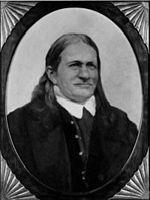
Det blev opdaget og navngivet "koffein" i 1819 af den tyske kemiker Ferdinand Runge.
I 1827 isolerede Udry en ny alkaloid fra teblade og kaldte det thein. Ren koffein blev først opnået i 1828 (Pelletier og Cavantou). I 1832 blev dens sammensætning etableret af Weller og Pfaff og Liebig. I 1838 beviste Jobst og G. Ya. Mulder identiteten af thein og koffein.
Strukturen af koffein blev afklaret ved udgangen af 1800-tallet af tyske Emil Fischer, som også var den første person, der kunstigt syntetiserede koffein. Han blev vinder af Nobelprisen i kemi i 1902, som han delvist modtog for dette arbejde.
Kemisk struktur og egenskaber
Det kemiske navn på koffein er 1,3,7-trimethyl-xanthin. I et alkalisk miljø (ved pH> 9), omdannet til caffeidin C7H12N4O. I struktur og farmakologiske egenskaber er koffein tæt på theobromin og theophylline, alle tre alkaloider hører til gruppen af methylxanthiner. Koffein fungerer bedre på centralnervesystemet og teofyllin og teobromin - som stimulanter til hjerteaktivitet og lunge-diuretika.
Koffein, som andre purinealkaloider, giver en positiv murexidreaktion; når det opvarmes med Nesslers reagens, danner koffein et rødbrunt bundfald, i modsætning til theobromin, der giver en lysebrun farve under sådanne forhold.
Farmakoterapeutiske egenskaber
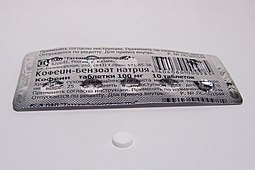
Den psykostimulerende virkning af koffein er baseret på dens evne til at undertrykke aktiviteten af centrale adenosinreceptorer (A1 og A2) i hjernebarken og subkortikale formationer i det centrale nervesystem. For tiden er det vist, at adenosin (et mellemprodukt af ATP-metabolisme) spiller rollen som en neurotransmitter i det centrale nervesystem, der agonistisk påvirker adenosinreceptorer placeret på de cytoplasmatiske membraner af neuroner. Excitation af adenosinadenosinreceptorer af type I (Al) i hjernecellerne forårsager et fald i dannelse af cAMP, hvilket i sidste ende fører til hæmning af deres funktionelle aktivitet.
Blokering af A1-adenosinreceptorer hjælper med at stoppe den hæmmende virkning af adenosin, som klinisk manifesteres af en stigning i mental og fysisk ydeevne.
Koffein har imidlertid ikke den selektive evne til kun at blokere A1-adenosinreceptorer i hjernen, og den blokerer også A2-adenosinreceptorer. Det er bevist, at aktivering af A2-adenosinreceptorer (mest sandsynligt, presynaptiske heteroreceptorer) i det centrale nervesystem ledsages af en undertrykkelse af den funktionelle aktivitet af D2-dopaminreceptorer. Koffeinblokade af A2-adenosinreceptorer hjælper med at gendanne den funktionelle aktivitet af D2-dopaminreceptorer, hvilket også bidrager til lægemidlets psykostimulerende virkning.
Psykiske lidelser forårsaget af koffein
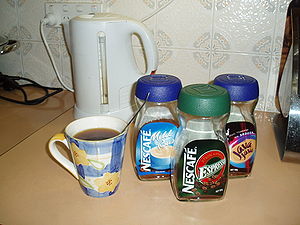
Der er en antagelse om, at koffein i store doser eller ved kronisk misbrug kan forårsage psykose hos raske mennesker eller styrke den eksisterende psykose hos patienter med skizofreni.
Koffein, theobromin, theophylline i høje doser ved kronisk brug kan føre til udtømning af nervesystemet, hvilket kan blive grundlaget for efterfølgende psykose.
Den mest almindeligt beskrevne forekomst af delirium i en overdosis koffein. Der er en tilstrømning af livlige visuelle hallucinationer, undertiden auditive, en person mister orientering i verden omkring ham. Efter fjernelse af koffein fra kroppen bevares hukommelsen fra fortiden delvist eller fuldstændigt. Nogle patienter mister deres evne til korrekt at vurdere afstande, og genstande synes nærmere dem, end de faktisk er. Somatiske lidelser, der er forbundet med delirium: mydriasis, hyperæmi, ataksi, takykardi, svær tørst, tør hud og slimhinder, blåhed i huden, undertiden en stigning i blodtryk og en stigning i kropstemperatur. På samme tid ligner neurologiske og somatiske symptomer dem ved atropinforgiftning.
I mere alvorlige tilfælde kan der være en dybere svimmelhed ledsaget af sanseløs motorisk ophidselse. I disse tilfælde er efterfølgende komplet amnesi hyppigt, og det kliniske billede er tæt på skumringen i skumringen.
Der er et kendt tilfælde, hvor en ældre kvinde, der spiste 300 gram kaffe dagligt i to år (ca. 30 g ren koffein) oplevede psykose med desorientering i det omkringliggende rum, episodiske visuelle hallucinationer, eufori, agitation, som endte med døden.
Der er tilfælde af udvikling af hallucinose. Forlængede psykoser med visuelle og auditive hallucinationer med langvarig misbrug af te er beskrevet af V.P. Polyakov og Work.
Affektive psykoser hos langvarige koffeinmisbrugere er ret sjældne, men et tilfælde af en tilstand, der ligner hypoman, er blevet beskrevet.
Psykose med nedsat bevidsthed ved koffeinforgiftning varer normalt ikke mere end et par dage.
Psykiske og adfærdsforstyrrelser forårsaget af brug af koffein er kodet i den internationale klassificering af sygdomme 10-revision (ICD-10) kode F 15 15. Ved langvarig misbrug eller overdosering kan koffein forårsage psykose, syndromer med nedsat bevidsthed, vildfarende tilstande.
Modtagelse
Koffein udvindes fra spild af te, kaffebønner. I industrien syntetiseres koffein ud fra urinsyre og xanthin.
Den traditionelle syntese af urinsyre består af 2 stadier:
- Virkningen af formamid på urinsyre, hvilket resulterer i xanthin.
- På det andet trin underkastes xanthin methylering med dimethylsulfat, afhængigt af betingelserne, hvor det er muligt at få koffein og teobromin.
Kaffein fås i et let alkalisk miljø ved pH = 8,0-9,0. Hvis methylering finder sted i nærvær af KOH og methanol ved 60-70 ° C, dannes teobromin.
Udbyttet af koffein når et gennemsnit på 65-70%.
Den mest udbredte af semisyntetiske metoder var metoden udviklet af O. Yu. Magidson og E. S. Golovchinskaya, hvor urinsyre er det oprindelige produkt. Fremgangsmåden koges ned til opvarmning af urinsyre med eddikesyreanhydrid i nærvær af en katalysator (dimethylanilin, pyridin) med dannelse af 8-methylxanthin. Reaktionen fortsætter gennem en mellemåbning af imidazolringen i purinsystemet, dekarboxylering og spaltning af eddikesyre ifølge skemaet:
Den opnåede 8-methylxanthin methyleres, og afhængigt af reaktionsbetingelserne kan der opnås 1,3,7,8-tetramethylxanthin eller 3,7,8-trimethylxanthin.
Methylering af 8-methylxanthin med overskydende dimethylsulfat i et let alkalisk medium giver 1,3,7,8-tetramethylxanthin, og methylering med methyletherbenzen (toluen) sulfonsyre (220-230 ° С i nærvær af CaO) giver 3,7,8- trimethylxanthin (8-methylteobromin):
Substitutionsordren i purinkernen afhænger af "surhedsgraden" af de tilsvarende hydrogenatomer. Hydrogenatomerne i position 3,7 har lignende surhedsgrad, mens hydrogenatomet i 1. position har lavere surhedsgrad. I xanthin-methylering er substitutionsordren følgelig 3,7 og 1. For at opnå koffein og teobromin fra henholdsvis 8-methylcaffein og 8-methylteobromin er det nødvendigt at fjerne methylgruppen fra position-8. Til dette formål underkastes de opnåede tre og tetramethylxanthinderivater chlorering.
Retningen af kloreringsprocessen afhænger hovedsageligt af reaktionstemperaturen. Ved temperaturer under 8-10 ° C erstatter klor brint med en methylgruppe ved C8ved temperatur
80 ° C kloreret ikke kun CH3-gruppe i position 8, men samtidig erstattet med chlor, et hydrogenatom i methylgruppen ved C7. Efter efterfølgende hydrolyse af de tilsvarende chloderivater opnås koffein og theobromin. Skematisk kan alle disse processer repræsenteres som følger:
Der er også en syntese fra cyanoeddikesyre og dialkylurinstof udviklet af Moritz Traube. Denne metode er den mest økonomiske.
Farmakologisk virkning
Psykostimulerende og analeptisk lægemiddel, methylxanthinderivat. Konkurrencer blokerer centrale og perifere A1- og A2-adenosinreceptorer. Det hæmmer aktiviteten af PDE i det centrale nervesystem, hjerte, glatte muskelorganer, knoglemuskler, fedtvæv, fremmer akkumulering af cAMP og cGMP i dem (denne effekt observeres, når den kun anvendes i høje doser). Det stimulerer centre for medulla oblongata (åndedrætsorganer og vasomotorisk) såvel som midten af n.vagus har en direkte stimulerende virkning på hjernebarken. I høje doser letter det den interneuronale ledning i rygmarven, hvilket forbedrer spinale reflekser.
Øger mental og fysisk præstation, stimulerer mental aktivitet, fysisk aktivitet, forkorter reaktionstiden, reducerer midlertidigt træthed og døsighed. I små doser er stimuleringseffekten fremherskende, og i store doser er effekten af hæmning af nervesystemet.
Fremskynder og uddyber vejrtrækningen. Normalt har det en positiv fremmed, krono-, batmo- og dromotropisk effekt (da virkningen på CVS består af en direkte stimulerende effekt på myokardiet og en samtidig stimulerende effekt på n.vaguscentre, afhænger den resulterende effekt af overvejelsen af en eller anden handling). Det stimulerer vasomotorisk centrum og har en direkte afslappende effekt på den vaskulære væg, hvilket fører til udvidelse af karret i hjertet, knoglemuskler og nyrer, mens tonen i de cerebrale arterier øges (forårsager en indsnævring af cerebrale kar, der er ledsaget af et fald i cerebral blodgennemstrømning og ilttryk i hjernen).
Blodtryk ændrer sig under påvirkning af vaskulære og hjertemekanismer med koffeinindflydelse: med et normalt initialt blodtryk ændres koffein ikke eller øger det lidt, mens arteriel hypotension normaliserer det.
Det har en antispasmodisk virkning på glatte muskler (inklusive bronchodilaterende virkning), på den stripede - stimulerende.
Øger mavesekretets aktivitet.
Det har en moderat vanddrivende virkning, som skyldes et fald i reabsorptionen af natrium- og vandioner i de proksimale og distale nyretubulier, såvel som udvidelsen af nyrebeholdere og øget filtrering i den renale glomeruli.
Reducerer blodpladeaggregeringen og frigørelsen af histamin fra mastceller.
Øger den grundlæggende stofskifte: øger glycogenolyse, øger lipolyse.
Slip form og sammensætning
Koffein fremstilles i form af en opløsning til subkutan administration: gennemsigtig, farveløs eller let farvet (i ampuller på 2 ml, 5 ampuller i blisterpakninger, 2 pakker i et papknippe, 5 eller 10 ampuller i et papknippe med skillevægge eller gitter).
Sammensætningen af 1 ml opløsning inkluderer:
- Det aktive stof er 100 mg eller 200 mg natriumcaffeinbenzoat,
- Hjælpekomponenter: kaustisk sodaopløsning 0,1 M - op til pH 6,8-8,5, vand til injektion - op til 1 ml.
Farmakodynamik
Koffein er en antagonist for centrale adenosinreceptorer og stimulerer centra for medulla oblongata: åndedrætsorganer, vasomotorisk og vagal. Det aktiverer også centralnervesystemet og luftvejene, forbedrer knoglemuskelfunktionen, produktionen af saltsyre og pepsin i fordøjelseskanalen og fremmer glycogenolyseprocesser. Koffein øger respirationscentrets følsomhed over for den stimulerende virkning af kuldioxid, hvilket forbedrer alveolar ventilation. Stoffet øger hyppigheden og intensiteten af hjertekontraktioner såvel som hjertets output (har en positiv kronotropisk effekt på sinus-atrial knude og en positiv inotropisk effekt på myokardiet).
Koffein er kendetegnet ved vanddrivende og hypertensive virkninger, reducerer livmoderkontraktilitet og hjælper med at indsnævre hjernerne.
Farmakokinetik
Koffein binder til plasmaproteiner med ca. 25–36%. Dens biotransformation udføres i leveren. Hos voksne patienter omdannes 80% koffein som et resultat af metaboliske processer til paraxanthin (1,7-dimethylxanthin), 10% til theobromin (3,7-dimethylxanthin) og 4% til theophylline (1,3-dimethylxanthin). Disse forbindelser demethyleres til monomethylxanthiner og derefter til methylerede urinsyrederivater. Hos premature babyer dannes koffein fra teophyllin. Eliminationshalveringstiden er 3–7 timer, hos nyfødte, der forlænger op til 65–130 timer (fald til niveauet for en voksen patient forekommer i 4-7 måneder). Den maksimale koncentration fastlægges 50-75 minutter efter indtagelse af stoffet.
Koffein udskilles i urinen i form af metabolitter (1-2% uændret). Hos nyfødte udskilles det også gennem nyrerne, mens 85% af dosis udskilles uændret.
Indikationer til brug
- Fald i fysisk og mental præstation
- Moderat arteriel hypotension,
- Muskelsvaghed
- migræne,
- døsighed,
- Åndedrætsdepression (inklusive med letforgiftning med opioide analgetika og hypnotika, kulilte, med kvælning af nyfødte, for at gendanne det nødvendige niveau af lungeventilation efter påføring af generel anæstesi).
Kontraindikationer
- Organiske sygdomme i det kardiovaskulære system (herunder akut myokardieinfarkt, åreforkalkning)
- Arteriel hypertension,
- Søvnforstyrrelser
- glaukom,
- Paroxysmal takykardi,
- Irritabilitet,
- Epilepsi og en tendens til krampeanfald,
- Hyppig ventrikulær ekstrasystol,
- Alderdom
- Graviditet og amning
- Overfølsomhed over for lægemidlet.
Brugsanvisning til koffein: metode og dosering
Koffeinopløsningen administreres subkutant.
Voksne ordineres normalt 1 ml 100 mg / ml eller 200 mg / ml opløsning. Den maksimale dosis er: enkelt - 400 mg, dagligt - 1000 mg.
Børn, afhængigt af alder, ordineres normalt 0,25-1 ml af en 100 mg / ml koffeinopløsning.
Multiplikationen og varigheden af brugen bestemmes af lægen.
Særlige instruktioner
Under brug af koffein skal det huskes, at en pludselig ophør af behandlingen kan føre til øget hæmning af centralnervesystemet i form af døsighed og depression.
Påvirkningen på det centrale nervesystem kan manifesteres både ved ophidselse og hæmning af det højere nervesystem.
Graviditet og amning
I henhold til FDA-henstillingerne hører koffein til kategori C. Det øger risikoen for spontan abort, provokerer intrauterin væksthæmning og føtal arytmier (når det administreres til gravide i høje doser). Resultaterne af dyreforsøg viste, at når der indgives doser svarende til koffeinindholdet i 12–24 kopper kaffe drukket pr. Dag under hele graviditeten, eller når der indgives enkeltdoser med meget høje doser (50-100 mg / kg), observeres skeletudviklingsforstyrrelser (som fingre og individuelle phalanges) af fosteret. Da koffein blev introduceret i kroppen af en gravid kvinde i lavere doser, blev langsom udvikling af fosterets skelet bemærket.
Koffein overføres til modermælk (dens mængde er ca. 1% af koncentrationen i moders blodplasma). Hvis dette stof kommer ind i kroppen af en ammende mor i en mængde svarende til 6-8 kopper koffeinholdige drikke om dagen, kan barnet udvikle søvnløshed og hyperaktivitet.
Drug interaktion
Ved samtidig brug af koffein med visse lægemidler kan følgende virkninger forekomme:
- Narkotiske piller og sovepiller: formindskelse af deres effektivitet,
- Ikke-narkotiske smertestillende midler og ergotamin: en forøgelse af deres effektivitet (på grund af øget absorption),
- Hjerteglycosider: øget virkning og toksicitet.
Koffeinanmeldelser
I dag er anmeldelser af koffein i form af en opløsning til subkutan administration ekstremt sjældne: De fleste udtalelser vedrører brugen af dette lægemiddel i tabletter. Meget ofte bruges koffein i ampuller til anti-cellulite indpakning som et middel til at tabe sig. Patienter hævder, at lægemidlet klarer sig godt med manifestationerne af vegetativ-vaskulær dystoni, normaliserer tryk med et kraftigt fald og eliminerer svaghed. Det giver også energi og styrke, men nogle gange er der rapporter om bivirkninger, såsom svær takykardi. Nogle patienter skriver, at når det tages på tom mave, øger koffein effektiviteten, reaktionshastigheden og er effektiv i sport.
Koffein (koffein)
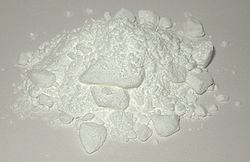
Koffein kan også forbedre muskelkontraktionen ved at frigive kalk fra dets lagre i muskelceller.
Der er mange undersøgelser, der beviser, at koffein forbedrer ydeevnen i udholdenhedsaktiviteter. Fordelene ved aktiviteter på kort sigt med høj intensitet, såsom sprints, er imidlertid mindre tydelige (ca. halvdelen af undersøgelserne indikerer forbedret ydeevne, den anden halvdel indikerer ingen forbedring). En analyse af 40 koffeinundersøgelser fra forskere fra University of Luton, UK viste, at koffein kan forbedre udholdenheden med ca. 12%. En anden undersøgelse med svømmere viste en forbedring på 23 sekunder i svømning på 21 minutter. Forskere fra Royal Technological Institute i Melbourne, Australien, fandt, at koffein forbedrer ydeevnen med 4-6 sekunder i professionelle roere under rodning på 2000 m.
koffein - en alkaloid, en stimulator af centralnervesystemet, med en lang række andre fysiologiske virkninger, hører til gruppen af methylxanthiner, der findes i planter, såsom kaffe, te (koffein ekstraheret fra te kaldes ofte theine), mate (koffein ekstraheret fra det, nogle gange kaldet mateine), guarana, stake og mange andre.
Til farmakologiske formål fremstilles og ekstraheres det fra planter. Indeholdt i energidrikke, som ofte findes i sportsnæring, i næsten alle fedtforbrændere og mange komplekser inden træning.
Koffeineffekter
De fleste undersøgelser af koffein har udelukkende fokuseret på sport, der kræver øget udholdenhed. Deres vigtigste konklusion er, at koffein for de fleste af disse atleter hjælper med at opnå bedre atletisk præstation. Der er tre versioner, der forklarer denne reaktion. Den første af dem blev oprindeligt betragtet som den mest sandsynlige og er forbundet med evnen af koffein til at stimulere forbrænding af fedt med dannelse af energi. Koffein fremmer produktionen af adrenalin - et hormon, der fremskynder indtrængen af fedtsyrer i blodbanen og er et centrale nervesystemstimulerende middel. Under den første fysiske anstrengelse bruger musklerne fedtsyrer, der er tilgængelige til energiproduktion, mens de opretholder intakte muskelglykogenlagre. Separate videnskabelige undersøgelser har bekræftet denne teori.
Den anden version er som følger: koffein er i stand til direkte at påvirke knoglemuskler ved at modificere nøglenzymer eller systemer, der regulerer processen med nedbrydning af kulhydrater inde i celler. Men undersøgelsen af denne teori afslørede ikke entydige resultater og var ikke afsluttet.
Den tredje version kan faktisk være nøglen til at forstå, hvordan koffein får dig til at føle, at du har gjort mindre arbejde, end du faktisk gør. I henhold til denne version skyldes dette, at koffein på grund af dets direkte virkning på centralnervesystemet kan give en psykologisk effekt, hvilket får atleter til at føle, at de ikke arbejder så hårdt, eller på en eller anden måde maksimerer styrken af muskelsammentrækninger. Nu ved vi, at koffein ikke har evnen til at trænge igennem blod-hjerne-barrieren og hæmme virkningen af adenosin, en neurotransmitter, der forårsager døsighed på grund af en afmatning i aktiviteten af nerveceller. Koffein ligner strukturelt som adenosin og kan binde til adenosinreceptorer på hjerneceller. Men koffein har ikke den samme effekt som adenosin, det bremser ikke aktiviteten af nerveceller. I stedet stimulerer det produktionen af adrenalin, et hormon, der forbedrer trivsel under træning.I øjeblikket er dette den herskende version, så meget som muligt bekræftet af videnskabelig forskning.
Forskere ved Institut for Videnskabelig Information om Kaffe (ISIC) konkluderede, at det at drikke tre til fem kopper kaffe om dagen forhindrer dannelse af amyloid beta-plaques i hjernen, der er forbundet med udviklingen af Alzheimers sygdom og demens. Det blev fundet, at hukommelse og kognitive funktioner er positivt påvirket af to hovedkaffeingredienser - koffein og polyfenoler, som sammen hjælper med at reducere inflammatoriske processer og stoppe ødelæggelsen af hjerneceller, især i cortex og hippocampus. I en anden undersøgelse blev det bemærket, at kaffeelskere lever længere.
Forskere fra De Forenede Stater fandt, at koffein er i stand til at blokere forandringer i hjernen, der er forbundet med kokainafhængighed. Imidlertid blev der udført studier på rotter, derfor kræves det bekræftelse af et positivt resultat på andre eksperimentelle modeller.
I slutningen af 2015 blev en undersøgelse foretaget af amerikanske forskere om de positive virkninger af kaffeforbrug på at reducere risikoen for at udvikle brystkræft hos kvinder med en mutation i brca1-genet i tidsskriftet Nutrigenet og Nutrigenomics.
Medarbejdere ved Stanford University School of Medicine har fundet, at koffein, ligesom koffeinmetabolitter, såsom theophylline, der er en del af te, og theobromine, der findes i chokolade, hjælper med at undgå systemisk betændelse, hjertesygdom og vaskulær sygdom.
Der er også undersøgelser om, at efter fysisk træning af rugbyspillere i placebogruppen var testosteron højere med 15% i gennemsnit i koffeingruppen med 21% (+/- 24%)
Mekanismen for koffein
I henhold til aktuelle data spiller dens hæmmende virkning på enzymet phosphodiesterase en betydelig rolle i koffeinens virkningsmekanisme, hvilket fører til intracellulær akkumulering af cyklisk adenosinmonophosphat (AMP). Cyklisk AMP betragtes som et mediator-stof (sekundær mediator), ved hjælp af hvilken de fysiologiske virkninger af forskellige biogene lægemidler opnås. Under påvirkning af cyklisk AMP forbedres glycogenolyseprocesser, metaboliske processer i forskellige organer og væv stimuleres, herunder i muskelvæv og i centralnervesystemet. Det antages, at koffeinstimulering af gastrisk sekretion også er forbundet med en stigning i indholdet af cyklisk AMP i maveslimhinden.
I den neurokemiske mekanisme til stimulering af koffein spilles en vigtig rolle ved dens evne til at binde til specifikke ("purin" eller adenosin) hjernereceptorer, for hvilke purinukleosidet - adenosin - er den endogene ligand. Den strukturelle lighed af koffein- og adenosinmolekylerne bidrager til dette. Da adenosin betragtes som en faktor, der reducerer processerne med excitation i hjernen, fører dens substitution med koffein til en stimulerende virkning. Ved langvarig brug af koffein kan der dannes nye adenosinreceptorer i hjernecellerne, og effekten af koffein falder gradvist. Ved pludselig ophør med koffeinindgivelse optager adenosin alle tilgængelige receptorer, hvilket kan føre til øget hæmning med fænomenerne træthed, døsighed, depression osv.
Koffein og kreatin
I modsætning til hvad man tror, ødelægger koffein ikke kreatinmolekyler, men interaktionen mellem koffein og kreatin diskuteres stadig. Nogle undersøgelser viser positive resultater med en kombination af kreatin og koffein, andre negative, og det er stadig ikke klart, hvem de skal tro. Sammenfattende med de moderne videnskabelige data kan vi konkludere, at koffein faktisk er en kreatinantagonist, men den samlede effekt vil være mere positiv end negativ.
Som forklaring kan vi give et aritmetisk eksempel: effekten af kreatin = 2, effekten af koffein = 2. Kreatin + koffein = 3, (hvor effekten af koffein = 2, og effekten af koffein = 1). Forklaring: Vi får ikke en sådan effekt som forventet på grund af et fald i kreatinens effektivitet, men alligevel vil den samlede effekt være større.
Koffein reducerer således effektiviteten af kreatin, men ved at bruge dem sammen får vi flere fordele end hver for sig. Derfor giver det mening at købe tilsætningsstoffer, der kombinerer kreatin og koffein, med sidstnævnte god tolerabilitet.
Bodybuilding koffein
Indtil nu blev det antaget, at koffein ikke er særlig effektiv, hvis din sport primært er forbundet med styrke og udholdenhed. Men Dr. Larry Spriet og hans kolleger ved University of Guelph i Ontario er parat til at diskutere med dig. De studerede effekten af koffein på styrkeidrettsatleter. I et eksperiment udførte 14 atleter tre sæt øvelser med maksimal intensitet. Mellem sæt hviler de i 6 minutter. De to første fremgangsmåder varede i 2 minutter, og den tredje blev udført til udmattelse. Deltagerne blev testet to gange: én gang med koffein, den anden med placebo. Under den tredje tilgang, der tog koffein, var de i stand til at arbejde længere (4,93 minutter med koffein mod 4,12 minutter med placebo). Koffein har bestemt øget den atletiske præstation på kort tid.
Mekanismerne for dette fænomen er stadig uklare, men forskerne var i stand til at fremsætte en mulig version. Ved at tage blodprøver og foretage en biopsi af muskelvæv fandt de, at koffein ikke spiste muskelglykogenlagre, som tidligere antaget.
Nye banebrydende undersøgelser viser, at koffein kan øge styrken ved at stimulere frigørelsen af noradrenalin fra adrenalinkirtlerne og bidrage til bedre muskelsammentrækning. Når dette sker, bliver følelsen af fysisk stress kedelig, så du kan løfte mere vægt. Generelt ser det ud til, at koffein gradvis kan øge styrken, hvilket naturligvis fører til en stigning i muskelmasse. Koffein er et effektivt "ærligt" værktøj, der forbedrer ydeevnen. Et stort antal videnskabelige eksperimenter viser, at han er i stand til at forbedre arbejdsresultaterne med 22%. Og her er en anden god nyhed: den mængde kaffe, der er nødvendig for at forbedre atletisk præstation - ca. 470 ml, eller 2 kopper, har ikke en dehydratiserende virkning.
Træne atleter viser bedre resultater
Undersøgelser viser også, at koffein fungerer bedst som en styrkestimulerende, hvis du er i form. Bevis for dette faktum blev opnået som et resultat af eksperimenter udført blandt svømmere, hvis sport er både anaerob og aerob. Veluddannede svømmere forbedrede deres hastighed markant efter at have taget 250 mg koffein. Utrente ikke-professionelle svømmere kunne ikke vise gode resultater. Den samme gruppe forskere havde tidligere gennemført et andet eksperiment med uforberedte deltagere, der efter at have taget koffein arbejdede på en motionscykel med en gennemsnitlig intensitetsgrad. Igen forbedrede koffein ikke resultaterne blandt utrænet deltagere.
Koffein under konkurrencen
Hvis du vil opnå en yderligere stigning i ydeevnen under konkurrencen, skal du opgive koffein eller reducere forbruget markant et par dage før starten for at reducere dens tolerance. Når du genindfører koffein i kroppen igen, får du en mere markant virkning. Umiddelbart før start, tag 50-200 mg koffein fra en drink som kaffe (1-2 stærke kopper) eller en energi / sportsdrink (1-2 dåser).
Mere om koffein
I modsætning til populær opfattelse fremmer koffein, der er taget umiddelbart før træning, ikke dehydrering. I en Ohio State University-undersøgelse fra 1997 spiste seks cyklister koffeinholdige og koffeinfri sportsdrikke over en 3-timers pedal. Forskere fandt ingen forskelle i ydeevne eller volumen af urin under træning. Urinproduktion steg kun under hvile.
I en anden undersøgelse, hvor 18 raske mænd spiste tre forskellige drikkevarer i et volumen på 1,75 liter under hvile, ændrede en koffeinholdig drik ikke deres vandbalance.
Forskere fra University of Maastricht, Holland, fandt, at cyklister efter en lang træning var i stand til lige så godt at udfylde deres væskereserver med både vand og koffeinholdige cola. En undersøgelse fra 2005 fra University of Connecticut, USA, fandt, at både koffeinfri og koffeinfri colas opretholdt atleternes vandbalance (mellem træning) i de næste tre træningsdage. Under træningssessioner drak atleter vand, men genopfyldte vandbalancen med enten en kofferet eller en koffeinfri drink. En yderligere undersøgelse af de samme forskere bekræftede, at moderat koffeinindtag ikke forøgede urinproduktionen sammenlignet med placebo, og konkluderede, at koffein ikke forstyrrer kroppens vand-saltbalance.
Koffeinslanking
Koffein er ofte inkluderet i fedtforbrændere for at øge stofskiftet og fremskynde forbrænding af fedt som energikilde.
Effekten af kaffe og koffein på appetit og madindtag.
En Schubert MM-undersøgelse fra 2014 undersøgte effekten af kaffe, koffein og koffeinfri kaffe på mennesker. Forskere har fundet, at hverken kaffe, koffein eller koffeinfri kaffe påvirker fødeindtagelse, sult, gastrisk tømningshastighed eller glukoseniveau.
I en tidligere undersøgelse rapporterede forfatterne heller ikke om nogen effekt af kaffe på appetitten, men der var et lille fald i fødeindtagelsen. Et andet arbejde rapporterede, at koffeinfri kaffe er i stand til let at undertrykke sult og øge mættethed, mens ren koffein ikke har sådanne virkninger. Formodentlig skyldes dette påvirkningen af andre kaffekomponenter, der øger sekretionen af YY-peptidet.
I 2016 blev det konstateret, at store doser koffein kan øge appetitten hos gnavere.
Som et resultat kan vi konkludere, at kaffe og koffein ikke har væsentlig indflydelse på appetitten og madindtagelsen.
Koffein i sportsnæring
I sportsernæring anvendes koffein som en energiaccelerator. Det har en markant stimulerende virkning, som giver dig mulighed for at øge træningsintensiteten, hvilket igen fører til hurtigere afbrænding af fedtreserver og en stigning i belastningen på musklerne og derved fremskynde deres vækst. Hjælper med at koncentrere sig bedre om træningsteknik. Koffein er en del af mange fedtforbrændere, kreatin med et transportsystem, pumpekomplekser, energi og andre tilsætningsstoffer.
Næsten hver producent af sportsnæring fremstiller guarana-kosttilskud. Faktisk er det langtidsvirkende koffein med en række andre stimulanter. Guarana er absolut lovlig og har lave omkostninger, hvilket gør det til et af de mest populære tonics.
Koffein er også til stede i de fleste præ-træningskomplekser og fedtforbrændere. De mest populære af dem:
Den mest optimale tid til at tage sportstilskud med koffein er 30 minutter før din træning. Næsten alle fedtforbrændere viser deres maksimale effekt, når de bruges før træning.
Anbefalet dosering af koffein
Den optimale dosis koffein afhænger i vid udstrækning af personens fysiologiske egenskaber og afhængighed. Med den systematiske anvendelse af koffeinholdige drikkevarer og tilsætningsstoffer øges kroppens tolerance, i dette tilfælde tolereres relativt store doser på 200-400 mg. Hos nogle mennesker begynder overdoseringssymptomer med en dosis på 100 mg. Derfor bør alle koffeinholdige kosttilskud begynde at blive taget med en gradvis stigning i dosis.
En systematisk gennemgang af de potentielle bivirkninger af koffeinindtagelse hos raske voksne, gravide kvinder, unge og børn bekræftede følgende anbefalinger: ≤400 mg / dag (4 kopper kaffe) til voksne, ≤300 mg / dag for gravide kvinder og ≤2,5 mg / kg / dag for børn og teenagere.
Om farerne ved kaffe
Daglig brug af koffein før eller senere fører til udtømning af nervesystemet og et fald i mental og fysisk ydeevne. Selv meget sunde mennesker anbefales ikke at drikke koffeinholdige drikkevarer mere end 2 gange om ugen. Koffein er en stærk stimulant til gastrisk sekretion: det øger juiceudskillelsen i alle fordøjelseskirtler og densiteten af gastrisk juice, hvilket bidrager til udviklingen af gastritis og forværring af mavesår. Koffein og andre kaffealkaloider fremskynder dramatisk bevægelsen af mad langs mave-tarmkanalen - som et resultat har mad ikke tid til at fordøje sig fuldstændigt. Der er processer med henfald og gæring i tarmen. Af denne grund må du ikke drikke te eller kaffe. Hvis du allerede bruger koffeinholdige drikke, skal du strengt på tom mave, mindst 1 time før et måltid - som det er sædvanligt i mange lande.
Yderligere oplysninger
koffein - alkaloid indeholdt i teblade (ca. 2%), kaffefrø (1-2%), kakaofrø, stavnødder kan også fås syntetisk. Af struktur og farmakologiske egenskaber er koffein tæt på theobromin og theophylline, alle tre af de navngivne alkaloider hører til gruppen af methylxanthiner, men af disse har koffein den stærkeste stimulerende effekt på det centrale nervesystem. Teophylline har en mindre effekt, theobromin er endnu mindre, theophylline stimulerer hjerteaktivitet og diurese mere kraftigt, theobromin er mindre udtalt, og koffein er endnu mindre udtalt. På grund af disse forskelle i styrke bruges koffein primært som et CNS-stimulant.
Koffein forbedrer og regulerer processerne med excitation i hjernebarken; i passende doser forbedrer det positive konditionerede reflekser og øger motorisk aktivitet. Den stimulerende effekt fører til en stigning i mental og fysisk præstation, et fald i træthed og døsighed. Store doser kan dog føre til udtømning af nerveceller. Effekten af koffein (såvel som andre psykostimulerende stoffer) afhænger i vid udstrækning af typen af højere nervøs aktivitet, så koffein bør doseres under hensyntagen til de individuelle egenskaber ved nervøs aktivitet. Koffein svækker virkningen af sovepiller og medikamenter, øger refleks excitabiliteten i rygmarven og stimulerer åndedrætsorganerne og vasomotoriske centre.
I den neurokemiske mekanisme for den stimulerende virkning af koffein spilles en vigtig rolle ved dens evne til at binde til specifikke (purin- eller adenosin) receptorer i hjernen, for hvilken purinukleosidet, adenosin, er en endogen ligand. Den strukturelle lighed mellem koffein og adenosinmolekyler bidrager til dette. Da adenosin betragtes som en faktor, der reducerer processerne med excitation i hjernen, fører dens substitution med koffein til en stimulerende virkning. Ved langvarig brug af koffein er dannelsen af nye acenosinreceptorer i hjernecellerne mulig, hvilket fører til et gradvist fald i effekten af koffein. Ved pludselig ophør med koffeinindgivelse binder adenosin alle tilgængelige receptorer, hvilket kan føre til øget hæmning med fænomenerne træthed, døsighed, depression osv.
Det belgiske forskningslaboratorium Nestec har udviklet et nyt langtidsvirkende koffeinpræparat. Dette medikament med langvarig virkning kan markant forlænge perioden med den stimulerende virkning af koffein, mens den opretholder en koncentration af koffein i kroppen, der ikke forårsager bivirkninger.Undersøgelser viser, at det at tage 300 mg af et nyt lægemiddel gør det muligt at undvære søvn i 24-48 timer. Der er ingen signifikant ophobning af koffein i vævene i kroppen, og muligheden for en patologisk virkning af dette lægemiddel på det kardiovaskulære system er udelukket.
Beskrivelse
Koffein er en purin alkaloid eller en kompleks kemisk forbindelse af organisk oprindelse, der indeholder nitrogen i dens sammensætning. Det fås fra planter.
Det reneste stof er et hvidt krystallinsk pulver, bittert i smag, uden lugt. De drikkevarer, det er indeholdt i, giver også en bitter smag. Den kemiske formel for koffein er C8H10N4O2. I dag fås det let fra planter og syntetiseres kemisk i et laboratorium.
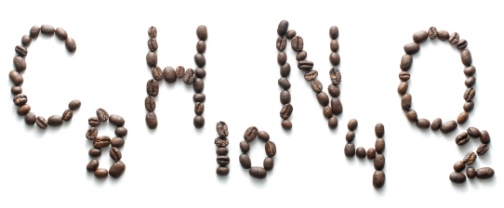
Indtil det 19. århundrede var alkaloidet kun efterspurgt som et stimulerende stof, der hovedsageligt var indeholdt i te og kaffe. Nu er det udvindet og brugt til medicinske og videnskabelige formål.
Hvor er koffein indeholdt?
Denne alkaloid i naturen eksisterer ikke i sin rene form, derfor skal den til videnskabelige formål og til behandling af mennesker udvindes på alle mulige måder.
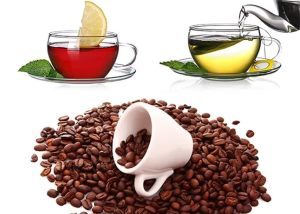 Det fås fra kaffe- og teplanter. Derudover produceres ren koffein ikke fra teblade eller kaffebønner, men fra deres affald. Den anden ikke mindre betydningsfulde metode er syntese af et stof fra de to andre. En to-trins proces til fremstilling af koffein ved hjælp af urinsyre og xanthin anvendes. I processen med kemisk og fysisk omdannelse af de to stoffer opnås mindst 65% af det rene alkaloid.
I de senere år tænker folk i stigende grad på sammensætningen af mad og drikkevarer, fordi mange af dem ikke så positivt påvirker kroppen. Koffein er et potent nervesystem. Hvis alle tidligere fejlagtigt troede, at denne alkaloid kun findes i kaffe, er denne myte længe blevet fordrevet.
Hvilke planter indeholder koffein? - i et kaffetræ, te, kakao, mate, cola, guarana.
- Er der koffein i kakao? Spørgsmålet vedrører primært kærlige mødre, der holder af deres babyers helbred. Kakao er en sund flerkomponentdrink, men læger anbefaler, at den drikker, startende fra kun tre år gammel. Hvorfor? I dens sammensætning kan du finde spor af koffein, som er kontraindiceret hos små børn.
- Det andet vigtige spørgsmål om mennesker, der ønsker at slippe af med koffeinafhængighed - er der koffein i cikorie? Dette er en medicinalplante med en bestemt bitter smag. Det bruges som vanddrivende middel til at reducere temperaturen og ved led i sygdomme. I antikken var det hans rødder, der blev høstet for at skabe stimulerende drinks. Men cikorie beroliger nervesystemet og forbedrer hjertets funktion, mens det ikke indeholder koffein. Selvom de ristede og malede rødder af planten skal lave en drink, der smager som kaffe.
 I modsætning til den almindelige opfattelse af kaffe er der ikke så meget koffein i kaffe. Kun ca. 1,5% tørvægt. Dette tal er også meget mindre - ca. 0,75%. Forskellige kaffesorter indeholder forskellige mængder.
- Hos styrmanden (dette er en tonisk drink fra bladene fra Paraguays holk) indeholder alkaloiden højst 1,8%.
- Koffein i grøn te såvel som i sort er også til stede. Med hensyn til alkaloidindhold konkurrerer grøn te ikke kun med kaffe, men overskrider den også markant. I forskellige sorter af grøn te varierer mængden af koffein og når op til 3,5% i tørstof.
- Guarana er den førende position inden for indholdet af psykostimulanten. Forskere estimerer, at 3,5% ikke er grænsen. Plantens frugter blev fundet med koffein på over 6%.
- Cola er en berømt plante, hvor frugterne er en velkendt sød drink. Det har også en masse alkaloid. Med hensyn til indhold, som cola roligt konkurrerer med kaffe, fordi 2% er et minimum.
- Hvilken te har mere koffein - i sort eller grøn? I sorte te-sorter er indholdet af dette stof mindst 2 gange større.
 I modsætning til den almindelige opfattelse af kaffe er der ikke så meget koffein i kaffe. Kun ca. 1,5% tørvægt. Dette tal er også meget mindre - ca. 0,75%. Forskellige kaffesorter indeholder forskellige mængder.
Gå til varme lande og smage alle de lokale drinks, glem ikke at bede om sammensætningen. Pludselig er der også et velkendt alkaloid. For bare et par årtier siden var alle sikre på, at kaffe var den eneste stimulerende drik, nu skal du undersøge detaljeret, hvad væsker består af.
Produkter og præparater, der indeholder koffein
Nogle gange forekommer forgiftning eller en overdosis af et stof ud af uvidenhed. En mand drak for eksempel en medicin, der indeholder koffein og på samme tid skyllede den ned med en drink med det samme stof. Eller i hårdt arbejde, som kræver en lang koncentration af opmærksomhed, er du nødt til at blive hængende i flere timer. Og her kan du heller ikke undvære kaffe eller te. Men ikke kun de indeholder et alkaloid.
 Hvordan man ikke overdoserer med stoffet? - du skal kende alle de lægemidler eller produkter, som det er indeholdt i.
- Te og kaffe i forskellige kvaliteter.
- Pepsi, Coca-Cola indeholder også koffein, så det at købe det til dine børn er nødt til at tænke over, om det vil skade barnet.
- Kakao er ikke ideel med hensyn til alkaloidindhold, omend i de mindste mængder, så børn er nødt til at give det tidligst tre år og lidt.
- Bitter chokolade indeholder højt kakao og nogle typer mælk.
- Koffein findes også ofte i energidrikke.
- Det er en integreret del af cola nødder og guarana frugter.
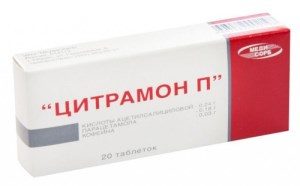 Ud over koffein i ampuller (koffein-natriumbenzoat) og “Cofetamin” er stoffet en del af tabletterne, som alle kender: Citramon P, Askofen-P, Paraskofen, Sedalgin, Pentalgin, Kaffetin, som ordineret til hovedpine, inklusive migræne. Derfor igen, når smerter opstår, skal du nøje nærme valget af medicin, der lindrer dem.
 Ud over koffein i ampuller (koffein-natriumbenzoat) og “Cofetamin” er stoffet en del af tabletterne, som alle kender: Citramon P, Askofen-P, Paraskofen, Sedalgin, Pentalgin, Kaffetin, som ordineret til hovedpine, inklusive migræne. Derfor igen, når smerter opstår, skal du nøje nærme valget af medicin, der lindrer dem.
Koffein er ikke kun kaffe og tabletter med samme navn, det er en lang liste med mad, drikkevarer og medicin.
Menneskelig handling
Effekten på den menneskelige krop af koffein manifesteres afhængigt af dosis af det tagne stof. I den sædvanlige terapeutiske mængde, som normalt ikke er over 0,3 gram, har den en spændende virkning på mange organsystemer.
Hvad sker der i den menneskelige krop under dens handling?
- Alkaloidet stimulerer det centrale nervesystem, det vil sige, det ophidser.
- Det forbedrer den sekretoriske aktivitet i maven, det vil sige den bidrager til frigivelsen af en stor mængde mavesaft.
 Påvirker hjertet - fremskynder hjerterytmen og sammentrækningskraften.
- Medicin, der indeholder koffein, svækker effekten af andre stoffer - sovepiller og medikamenter.
- Mængden af udskilt urin stiger - mange husker, at efter at have drukket kaffe eller te, øges vandladningen.
- Forhindrer aggregering (limning) af blodplader.
- Koffein stimulerer arbejdet i visse centre i hjernen - forbedrer funktionen af motoriske og åndedrætscentre.
- Dens virkning på blodkar er tvetydig - det udvider blodkar eller reducerer koffein, afhængigt af deres placering. Grundlæggende indsnævrer det skelettemuskler, nyrer og andre kar, med undtagelse af maveorganerne (tarme, lever og andre).
- I modsætning til hvad man tror, svarer effekten på koffeinets blodtryk ikke helt til ideen - med udviklingen af chok eller kollaps stiger blodtrykket virkelig. Under normale forhold øger koffein trykket eller sænkes det? - næsten ingen effekt på ham. Da karene udvides, bør trykket hos en sund person ikke stige.
 Påvirker hjertet - fremskynder hjerterytmen og sammentrækningskraften.
Koffein skade
Fysiologiske eller mindre doser koffein vil ikke forårsage nogen person skade. Men hvis du markant overskrider den tilladte dosis - drikker koffeinholdige drikkevarer ikke personen. Mere end én gang leverede en ambulance folk til hospitalet, der drak en masse kaffe eller andre drinks indeholdende denne alkaloid.

Når koffeinforgiftning er bekymret for en person:
- undertrykkelse af nervesystemet i stedet for at stimulere det - offeret er i en søvnig eller deprimeret tilstand, der ligner depression,
- måske kvalme og opkast
- en person har søvnløshed, bortset fra dette er han bekymret af en følelse af angst eller frygt,
- i tilfælde af koffeinforgiftning er vejrtrækningen værre, hjertebanken, forstyrrelse af hjerterytmen og som følge af smerter i brystet,
 blodtrykket stiger kraftigt
- muligvis en stigning i kropstemperatur,
- med alvorlig forgiftning, hvis du tager en stor dosis koffein, som er mere end et gram, er der en stærk ophidselse,
- folk har skøre ideer,
- En overdosis koffein er farlig for kramper og muskel ryninger.
 blodtrykket stiger kraftigt
Ud over symptomerne på menneskelig forgiftning er der et andet farligt punkt i brugen af stoffer og produkter med denne alkaloid - dette er den gradvise dannelse af koffeinafhængighed. Er der virkelig et sådant problem, eller er dette bare historier, som læger fortæller os om at reducere mængden af drikkevarer, der spises? Måske er dette bare en anden myte, der skræmmer folk, takket være hvilke sundhedsudbydere, der ønsker at befri os for andre bivirkninger forbundet med brugen af koffein?
Afhængig af dannelsen af
Det viser sig, at morgenkoppen kaffe for mange ikke er et daglig gentagelsesritual for hurtigt at slippe af med en sovende tilstand, men en mulighed for afhængighed. Koffein er en gruppe af alkaloider, der stimulerer nervesystemet. Ved konstant brug forvandles koffein til et stof. Selvom afhængigheden ikke er så stærk, men den stadig eksisterer.

Faktum er, at drikkevarer stimulerer nervesystemet i kun en kort periode. Efter kaffe eller te forbedres humøret, træthed fjernes, hjerterytmen stiger, nogle processer opstår på grund af frigivelse af dopamin. Men disse virkninger varer ikke længe - et godt humør under påvirkning af medikamenter, der indeholder koffein, varer ikke mere end en time. Vågenhed og forbedring af mental aktivitet, går efter 3 timer. For langtidsbrugere vises tilbagetrækning af koffein efter dette tidspunkt. Personen drikker igen den næste del af den stimulerende væske for at genoplade en anden gang. En midlertidig følelse af komfort får dig til at drikke en kop. Men der er andre tilfælde - folk, der arbejder om natten, kaffe eller stærk te sparer for ønsket om at tage en lur på arbejdet. Kun drikkevarer skal ofte konsumeres, så effekten ikke går tabt.
Oftere dannes afhængighed af koffein hos mennesker med et svagt nervesystem. Koffein erstatter ikke produktionen af dine egne hormoner eller andre nødvendige stoffer. Hos mennesker, der sjældent drikker drikkevarer med denne alkaloid, dannes et sådant forhold (det kaldes teisme) ikke.
Hjælp med forgiftning
I tilfælde af koffeinforgiftning skal du handle straks. I dette tilfælde skal du ikke vente på en uafhængig opløsning af alle symptomer, fordi stoffet i store mængder har en deprimerende effekt på nervesystemet, og hjertet får dig til at slå med den forkerte frekvens, hvilket er farligt på grund af adskillige uhelbredelige komplikationer bagefter.
En overdosis koffein kan forekomme, når man drikker en stor mængde stærk kaffe eller efter misbrug af stoffer, der bruges til hovedpine.
Hvordan kan jeg hjælpe offeret med mistanke om overdosis koffein?
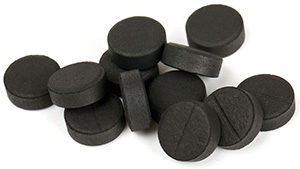 I milde tilfælde er det nok at skylle maven, give et saltvand, som er drikkevand og bruge et sorbent, som oftest er aktivt kul.
- Når krampeanfald, kvalme og opkast opstår, skal der ydes hjælp fra et ambulancehold eller hospitalslæger, fordi almindelige mennesker ikke har særlige lægemidler i deres arsenal for at lindre tilstanden.
- Brug krampestillende midler: Seduxen, Relanium.
- For at fjerne ophidselse bruges antipsykotika i terapeutiske doser.
- Hvordan fjerner man koffein fra kroppen? Stoffet absorberes hurtigt og omdannes i leveren. Derfor, hvis der er gået flere timer siden brugen af alkaloidet, er det allerede umuligt at trække sig ud og binde det med visse lægemidler. Koffein har ingen modgift. Men med udviklingen af alvorlige tilstande, såsom kollaps, ordineres intravenøs glukoseopløsninger med insulin eller plasmasubstitutter.
- På hospitalet ordineres symptomatiske medikamenter, herunder Panangin, vitaminer og hjertestøttende medicin.
- Afhængigt af indikationerne i nødsituationer udføres defibrillering af hjertet.
 I milde tilfælde er det nok at skylle maven, give et saltvand, som er drikkevand og bruge et sorbent, som oftest er aktivt kul.
Er koffein skadeligt eller gavnligt? Det kan ikke tilskrives hverken det ene eller det andet. I en normal mængde, hvis ikke misbrugt, er det nyttigt for mennesker og undertiden endda nødvendigt. Men det ekstra beløb bringer aldrig det ønskede resultat, du skal være forsigtig med det!